

Every manager of a spray booth knows that even a single speck of dust can ruin a flawless paint job and lead to costly rework. For automotive refinishing shops across Europe, maintaining a pristine, dust-free environment is not just about visual appeal but also about meeting strict quality standards for every vehicle finished. Dust protection film offers a smart barrier solution, helping you keep surfaces immaculate, reduce surface defects, and simplify your shop’s cleaning routine for optimal paint results.
Table of Contents
- Dust Protection Film Defined and Debunked
- Types of Dust Protection Films for Spray Booths
- Key Features and How Dust Films Work
- Applications in Automotive and Industrial Settings
- Cost, Maintenance, and Common Errors
- Alternatives and Comparison With Other Methods
Key Takeaways
| Point | Details |
|---|---|
| Function of Dust Protection Films | Dust protection films create a temporary barrier that prevents dust and contaminants from compromising surfaces during critical industrial processes. |
| Types of Films | Films vary by materials like Polyethylene, Polypropylene, and Polyester, each suited for specific applications with varying strengths. |
| Selection Considerations | Proper selection of dust protection films depends on surface sensitivity, environmental conditions, and adhesive characteristics to ensure effectiveness. |
| Cost and Maintenance Awareness | Understanding the cost factors and best maintenance practices is crucial for optimizing the performance and economic benefits of dust protection films. |
Dust Protection Film Defined and Debunked
Dust protection film represents an essential barrier technology designed to shield surfaces from contamination during critical industrial processes like spray painting and renovation. These specialized films serve as precision guardians against dust, dirt, and potential surface damage, ensuring clean and pristine work environments.
The core purpose of dust protection films involves creating a transparent, temporary protective layer that prevents particulate intrusion. Protective films are typically manufactured from specialized polymers like polyethylene and polyester, engineered with specific characteristics:
- Transparent material allowing visual inspection
- Variable adhesive strengths for different surface applications
- Resistance to dust and environmental contaminants
- Customizable thickness options
- Temporary application with clean removal
These films are not simply generic coverings but sophisticated engineering solutions tailored for precise industrial applications. Dust cover technologies provide comprehensive protection across multiple scenarios, from manufacturing to renovation projects, ensuring surfaces remain immaculate throughout complex processes.
Pro tip: Always select dust protection films matched specifically to your surface type and environmental conditions for maximum effectiveness and minimal potential for unintended damage.
Types of Dust Protection Films for Spray Booths
Spray booth dust protection films represent a critical technological solution for maintaining pristine painting environments. Protection films vary significantly based on their chemical composition, thickness, and specific industrial requirements, with each type engineered to address unique surface protection challenges.
The primary categories of dust protection films for spray booths include:
-
Polyethylene (PE) Films:
- Lightweight and flexible
- Excellent dust barrier properties
- Cost-effective solution
- Ideal for temporary surface coverage
-
Polypropylene (PP) Films:
- Higher mechanical strength
- Enhanced puncture resistance
- Better for high-stress industrial environments
- Superior durability compared to standard PE films
-
Polyester-Based Films:
- Maximum heat resistance
- Low particle shedding
- Premium protection for sensitive surfaces
- Designed for professional painting applications
Dust protection technologies have evolved to provide robust mechanical stress resistance, ensuring comprehensive protection during complex industrial processes. These specialized films are engineered to prevent dust intrusion while maintaining surface integrity throughout painting and renovation projects.
Choosing the appropriate dust protection film involves carefully evaluating environmental conditions, surface sensitivity, and specific application requirements. Professional spray booth managers must consider factors like adhesive strength, removal characteristics, and potential surface interaction when selecting a protective film.
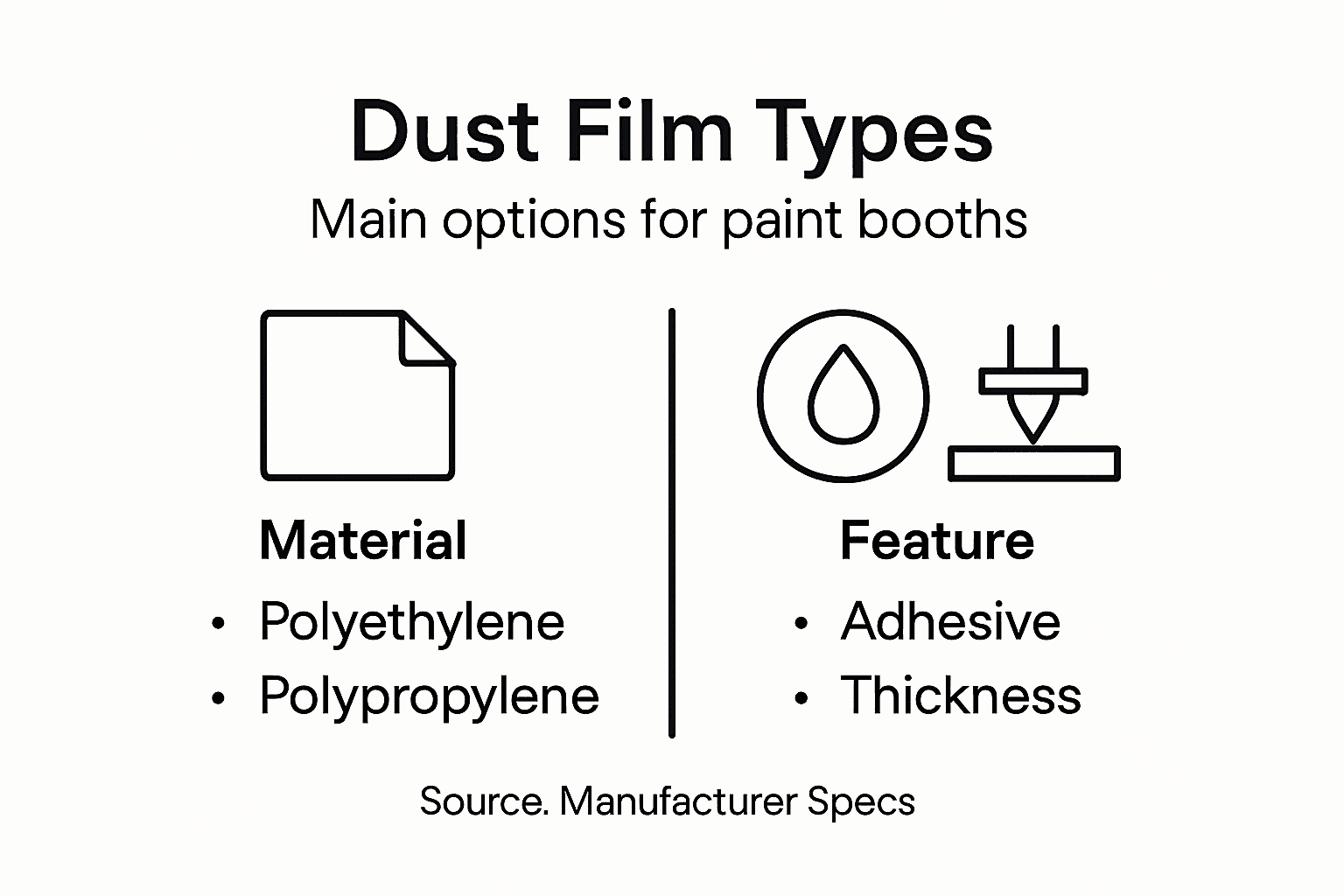
Here’s a quick comparison of the main types of dust protection films used in spray booths:
| Film Type | Typical Use Case | Strengths | Limitations |
|---|---|---|---|
| Polyethylene (PE) | General painting areas | Affordable, good dust resistance | Less durable, not for high-stress |
| Polypropylene (PP) | Industrial environments | Strong, puncture resistant | Slightly higher cost |
| Polyester-Based | Sensitive surfaces | Heat resistant, minimal shedding | Premium price, professional only |
Pro tip: Always conduct a small test application to verify film compatibility and performance before full-scale implementation in your spray booth environment.
Key Features and How Dust Films Work
Dust protection films represent a sophisticated technological solution designed to create an impenetrable barrier against particulate contamination in industrial environments. Dust control polymers function by strategically blocking and preventing particle adhesion, ensuring surfaces remain pristine during critical painting processes.
The fundamental mechanism of dust protection films involves multiple protective strategies:
-
Physical Barrier Creation:
- Blocks dust particles from surface contact
- Prevents microscopic contamination
- Maintains surface cleanliness
- Eliminates potential painting imperfections
-
Static Electricity Management:
- Reduces electrostatic charge buildup
- Minimizes particle attraction
- Prevents dust particle migration
- Enhances overall surface protection
-
Adhesive Performance:
- Provides temporary yet secure surface coverage
- Allows easy removal without residue
- Adapts to different surface textures
- Maintains protection during complex industrial processes
Protective film technologies excel by creating a comprehensive defense mechanism that goes beyond simple surface coverage. These innovative materials are engineered to resist wear, prevent dust penetration, and protect surfaces from potential mechanical damage during intricate painting operations.
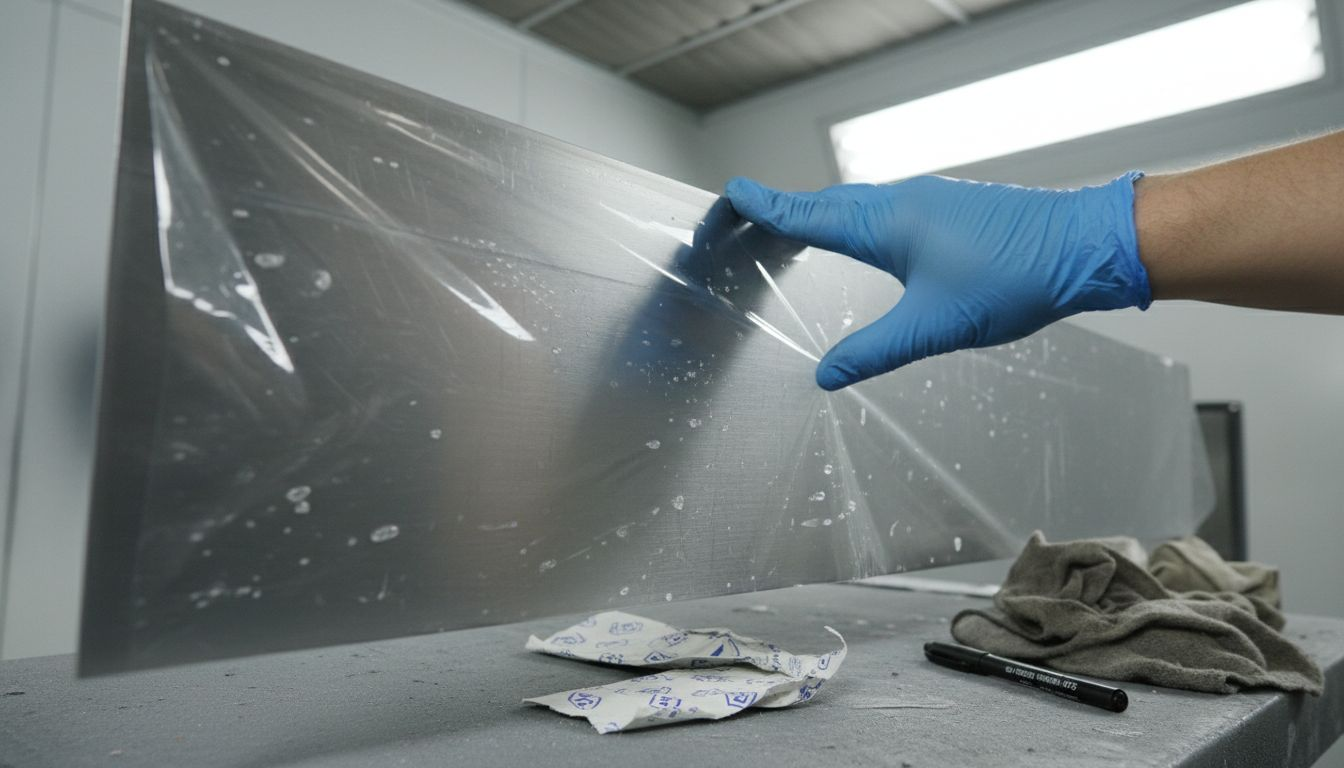
The effectiveness of dust protection films depends on critical factors like material composition, thickness, and adhesive properties. Professional spray booth managers must carefully select films that match their specific environmental conditions and surface sensitivity requirements.
Pro tip: Inspect dust protection films for uniform coverage and potential micro-tears before beginning any painting process to ensure maximum surface protection.
Applications in Automotive and Industrial Settings
Dust protection films play a critical role in maintaining precision and quality across diverse industrial environments, particularly in automotive refinishing and manufacturing processes. Protective films ensure surface integrity by creating a comprehensive barrier against contamination during sensitive painting and finishing operations.
Key applications across different industrial sectors include:
-
Automotive Refinishing:
- Protects vehicle body panels during painting
- Prevents dust contamination in spray booths
- Ensures smooth, defect-free paint finishes
- Reduces rework and material waste
-
Manufacturing Settings:
- Shields precision equipment surfaces
- Maintains cleanliness during assembly processes
- Prevents scratches and contamination
- Supports quality control standards
-
Industrial Painting Environments:
- Creates dust-free zones for critical coating applications
- Protects expensive equipment and surfaces
- Minimizes environmental particle interference
- Supports consistent painting results
Professional facilities rely on dust protection films as a strategic solution for managing environmental challenges. These innovative materials provide a temporary yet robust protective layer that adapts to complex industrial requirements, ensuring optimal surface preparation and finish quality.
The selection of appropriate dust protection films depends on specific industry needs, surface characteristics, and environmental conditions. Managers must carefully evaluate film thickness, adhesive properties, and removal characteristics to achieve maximum protection and performance.
Pro tip: Conduct periodic compatibility tests with different dust protection films to identify the most effective solution for your specific industrial application.
Cost, Maintenance, and Common Errors
Dust protection films represent a strategic investment for industrial facilities, with costs varying significantly based on film quality, coverage area, and specific application requirements. Understanding the financial and maintenance considerations is crucial for maximizing both performance and cost-effectiveness.
Film maintenance involves critical application strategies to ensure optimal protection and minimize potential errors:
-
Cost Factors:
- Material quality and thickness
- Surface area requiring coverage
- Frequency of film replacement
- Complexity of application environment
-
Common Application Errors:
- Improper surface preparation
- Incorrect film selection
- Inadequate surface cleaning
- Inappropriate storage conditions
-
Maintenance Best Practices:
- Regular surface inspection
- Proper cleaning before film application
- Careful film removal techniques
- Timely replacement of worn films
Professional facilities must develop a comprehensive approach to dust protection film management. This includes establishing precise protocols for film selection, application, and removal to minimize potential surface damage and optimize protection efficiency.
Economic considerations extend beyond initial film costs, encompassing potential savings from reduced rework, improved painting quality, and minimized surface contamination. Managers should conduct thorough cost-benefit analyses to determine the most effective dust protection strategies for their specific industrial environments.
Pro tip: Implement a standardized tracking system to monitor film performance, replacement costs, and potential surface savings to optimize your dust protection film strategy.
Alternatives and Comparison With Other Methods
Dust control technologies encompass multiple approaches, each with unique advantages and limitations in industrial and automotive painting environments. Dust protection films offer distinct advantages compared to alternative dust management strategies, providing a targeted solution for surface preservation.
Comparative analysis of dust control methods reveals significant differences:
-
Chemical Dust Suppressants:
- Introduce liquid treatments
- Potential surface chemical interactions
- Less precise surface protection
- Higher environmental impact
-
Wet Spraying Techniques:
- Introduces moisture to surfaces
- Potential paint finish complications
- Less controlled dust management
- Extended drying times required
-
Electrostatic Dust Control:
- Complex equipment installation
- Higher initial investment
- Requires specialized maintenance
- Limited surface-specific protection
Dust protection films distinguish themselves through several key differentiators. Unlike chemical or moisture-based solutions, these films provide a clean, dry barrier that minimizes potential surface contamination while offering precise, removable protection.
Professional facilities must evaluate dust control methods based on specific environmental requirements, surface sensitivity, and long-term cost-effectiveness. Each approach presents unique trade-offs between initial investment, maintenance complexity, and protection quality.
For easy reference, here’s how dust protection films perform versus other dust control methods:
| Method | Surface Impact | Maintenance Required | Environmental Effects |
|---|---|---|---|
| Protection Film | Clean, removable shield | Occasional replacement | Minimal environmental impact |
| Chemical Suppressant | May leave residue | Frequent application | Potential chemical runoff |
| Wet Spraying | Wet surface, slow drying | Extended drying routines | Increased water usage |
| Electrostatic System | Low direct impact | Specialized upkeep needed | Energy consumption |
Pro tip: Conduct comprehensive comparative testing of multiple dust control methods to determine the most effective solution for your specific industrial painting environment.
Elevate Your Spray Booth Protection With Dust Free Film
Maintaining a dust-free environment in your spray booth is crucial to achieving flawless paint finishes and avoiding costly rework. As the article explains, dust protection films must offer reliable barriers against dust and contaminants while ensuring easy removal without residue. If you struggle with inefficient films that tear easily or leave residue, Dust Free Film provides a proven solution designed specifically for automotive refinishing and industrial spray painting needs. Our multi-layer electrostatic booth wall and floor protectors deliver exceptional dust resistance, heat tolerance, and static-free performance tailored for high-traffic environments.

Explore how Dust Free Film’s patented dispenser system guarantees quick, bubble-free application that saves time and improves efficiency. Take control of your spray booth environment today by choosing premium dust protection films that protect your surfaces and boost your operation’s quality. Visit Dust Free Film to discover our innovative products and solutions that align perfectly with the dust control methods and surface protection goals outlined in the article. Don’t let dust compromise your paint quality any longer—find your tailored solution for durable, clean spray booth protection now at Dust Free Film.
Frequently Asked Questions
What is dust protection film and how does it work?
Dust protection film is a specialized barrier technology designed to shield surfaces from dust, dirt, and potential damage during industrial processes like spray painting. It creates a transparent, temporary layer that prevents particulate intrusion while maintaining surface integrity.
What are the different types of dust protection films available for spray booths?
The main types of dust protection films for spray booths include polyethylene (PE) films, which are lightweight and cost-effective; polypropylene (PP) films, known for their strength and puncture resistance; and polyester-based films, which offer maximum heat resistance and are ideal for sensitive surfaces.
How do I choose the right dust protection film for my needs?
Selecting the appropriate dust protection film involves evaluating environmental conditions, surface sensitivity, and specific application requirements. Consider factors like adhesive strength, removal characteristics, and the film’s compatibility with different surface types.
What are common mistakes to avoid when applying dust protection films?
Common mistakes include improper surface preparation, incorrect film selection, inadequate surface cleaning, and improper storage conditions. Following best practices and conducting periodic inspections can help avoid these errors.