

Dust contamination causes over 80% of paint defects in auto body shops, leading to costly rework and frustrated customers. Clean booths provide a controlled environment that dramatically reduces airborne particles during repainting, protecting your investment in quality finishes. This guide reveals how properly designed clean booths with advanced dust protection films can transform your paint quality and operational efficiency.
Table of Contents
- Introduction To Clean Booths In Auto Body Shops
- How Dust Contamination Affects Paint Quality And Workshop Efficiency
- Dust Protection Technologies For Clean Booths: Films And Systems Explained
- Common Misconceptions About Dust Control In Auto Body Painting
- Comparative Analysis Of Dust Protection Methods In Auto Body Shops
- Practical Benefits And Economic Impact Of Clean Booth Dust Protection
- Implementation Best Practices And Challenges For Dust Protection Films
- Integrating Clean Booths For Optimal Auto Body Shop Performance
- Enhance Your Spray Booth With Dust Free Film Solutions
- Frequently Asked Questions About Clean Booths And Dust Protection
Key takeaways
| Point | Details |
|---|---|
| Clean booths cut defects | Proper dust control reduces paint defects by over 80%, improving finish quality. |
| Electrostatic films excel | Advanced films outperform regular plastic by actively repelling fine dust particles. |
| Maintenance drives results | Regular inspections prevent up to 20% of premature protection failures. |
| Multi-layer films last longer | Durable protection withstands heat and traffic better than single-layer alternatives. |
| Rework drops 40% | Effective dust control slashes refinishing time and boosts shop profitability. |
Introduction to clean booths in auto body shops
Clean booths are specially designed enclosed environments where paint application occurs under controlled conditions that minimize dust contamination. These spaces protect vehicles during the critical refinishing phase when exposed paint surfaces are most vulnerable to airborne particles.
Dust contamination in auto body shops comes from multiple sources. Airborne particles circulate through HVAC systems and open doors. Grinding and sanding operations generate fine debris that becomes suspended in workshop air. Personnel movement stirs settled dust back into the air. Equipment and tools carry particles from one area to another.
Even microscopic dust particles create visible defects when they land on wet paint. These contaminants interfere with paint adhesion by creating barriers between coating layers. They cause surface irregularities that appear as bumps, craters, or rough texture in the finished product. The chemistry of modern automotive paints makes them especially sensitive to contamination during application and curing.
Preventing dust at the source through proper ventilation and filtration forms the first line of defense. Physical barriers like specialized booth protectors create the second critical layer. Together, these approaches maintain the ultra-clean environment required for flawless paint finishes. Clean booths combine both strategies by controlling airflow while providing surfaces that actively resist dust accumulation.
How dust contamination affects paint quality and workshop efficiency
Dust particles as small as 10 microns create visible paint defects that require costly correction. Common problems include fisheyes, where contaminants cause circular depressions in the wet paint film. Orange peel texture develops when dust interferes with proper flow and leveling. Rough, gritty surfaces form when particles become embedded in the coating before it cures.
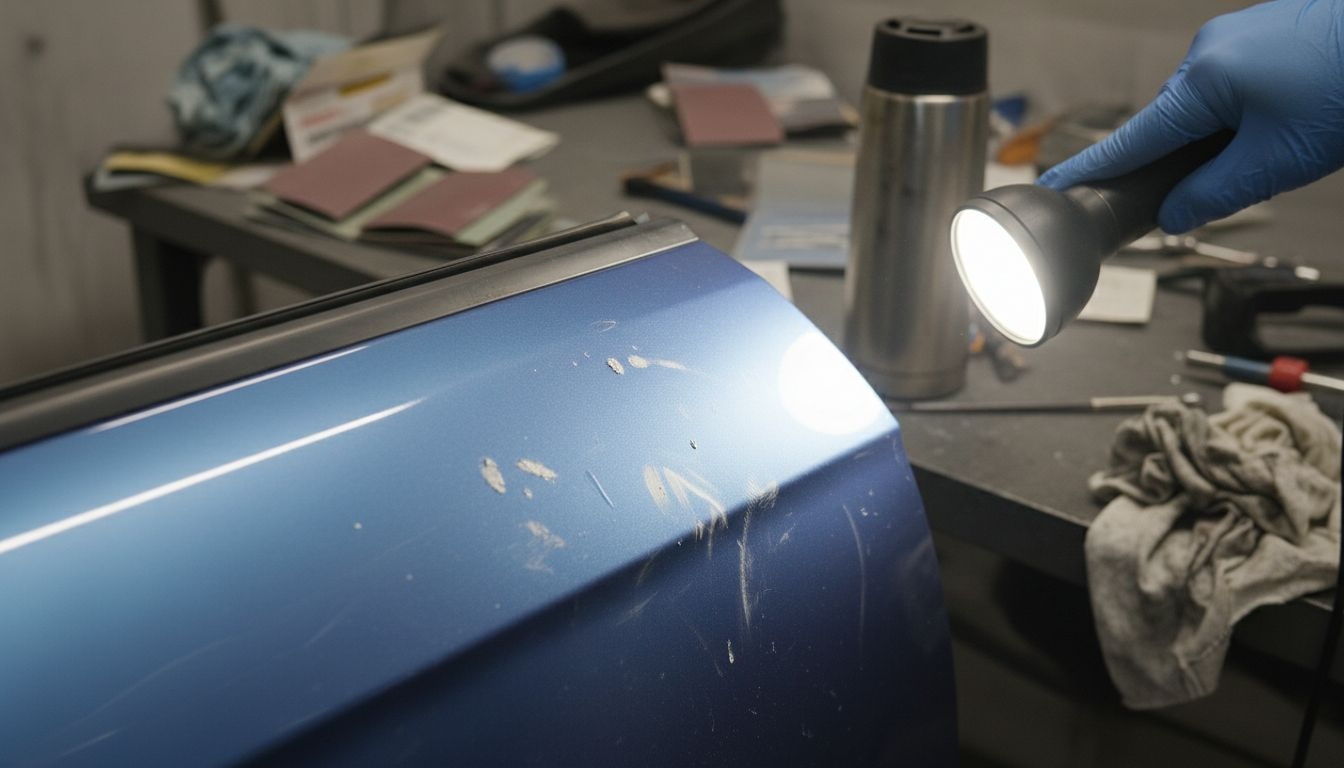
These quality issues directly impact your bottom line. Dust contamination increases rework rates by 25 to 40%, forcing technicians to sand and reapply entire panels. Each rework cycle adds hours to job completion times and delays vehicle delivery. Materials costs multiply as you consume additional paint, clear coat, and supplies.
Customer satisfaction suffers when paint defects slip through quality control. Visible imperfections harm your shop’s reputation and lead to lost referrals. Customers who receive vehicles with substandard finishes often share negative reviews that impact future business. The cost of acquiring new customers far exceeds the expense of preventing defects in the first place.
Industry experts emphasize the critical nature of dust control:
Consistent dust-free environments are crucial for top automotive paint standards, affecting appearance and durability.
Shops that implement comprehensive contamination prevention strategies see measurable improvements in first-time quality rates. The investment in proper clean booth systems pays for itself through reduced material waste, faster throughput, and enhanced customer retention.
Dust protection technologies for clean booths: films and systems explained
Electrostatic films represent a major advancement in clean booth technology. These specialized materials generate a static charge that actively attracts and traps fine dust particles before they reach painted surfaces. The electrostatic effect works continuously, pulling contaminants from the air even in high-traffic areas.
Multi-layer films provide superior protection compared to single-ply alternatives. The outer layer captures larger particles and absorbs physical impacts. Middle layers provide structural integrity and heat resistance. Inner layers create the final barrier against microscopic contaminants. This engineered design extends service life while maintaining protective performance.
Heat resistance is essential for spray booth applications where curing lamps and baking cycles generate elevated temperatures. Quality dust protection films withstand continuous exposure to 180°F without degrading or releasing adhesive residue. Static properties must remain stable across temperature ranges to ensure consistent dust capture.
Patented bubble-free dispenser systems revolutionize film installation:
- Load the film roll into the mounting bracket
- Align the leading edge with the target surface
- Apply even pressure while unrolling across the area
- Smooth from center outward to eliminate air pockets
- Trim excess material at edges for a clean finish
The application process takes minutes rather than hours compared to traditional methods. Proper installation creates seamless protection without gaps where dust can accumulate.
Pro Tip: Test film adhesion on a small section before full application to ensure compatibility with your booth’s surface materials and temperature conditions.
Common misconceptions about dust control in auto body painting
Many shop owners believe regular plastic sheets provide adequate dust protection. The reality is standard plastic lacks the electrostatic properties needed to actively repel fine particles. Without static charge, plastic becomes a collection surface rather than a barrier. Dust settles on smooth plastic and easily transfers to painted surfaces during air movement.
Another widespread myth suggests dust protection films require minimal maintenance once installed. Neglecting regular inspections causes up to 20% of premature protection failures. Films accumulate debris over time that reduces their effectiveness. Damaged sections create entry points for contamination. Physical wear from tool contact and personnel traffic degrades protective barriers.
Some technicians accept dust contamination as an unavoidable aspect of auto body work. This defeatist attitude ignores clear evidence linking contamination control to rework reduction. Shops with rigorous dust management protocols experience measurably fewer paint defects. The correlation between clean booth practices and finish quality is well documented across the industry.
Understanding these misconceptions helps you make informed investment decisions. Specialized films cost more upfront than generic plastic but deliver superior protection and longevity. Regular maintenance extends film life and maintains peak performance. Treating dust control as a core quality system rather than an optional expense transforms paint outcomes.
Comparative analysis of dust protection methods in auto body shops
Different dust control approaches offer varying levels of protection and operational impact:
| Method | Dust Reduction | Durability | Installation Time | Maintenance Needs | Best For |
|---|---|---|---|---|---|
| Regular plastic sheets | 30 to 40% | Low, tears easily | 15 to 30 min | Replace weekly | Budget-conscious temporary solutions |
| Single-layer films | 50 to 60% | Moderate | 10 to 20 min | Replace bi-weekly | Light-duty applications |
| Multi-layer electrostatic films | 80 to 90% | High, resists tears | 5 to 10 min | Replace monthly | High-volume professional shops |
| Permanent booth coatings | 40 to 50% | Very high | 2 to 4 hours | Clean daily | Long-term installations |
Electrostatic films outperform standard plastic by actively attracting particles rather than passively blocking them. The static charge creates an invisible barrier that captures contaminants before they become airborne. This active protection explains the significant performance gap in dust reduction percentages.
Durability differences stem from material engineering and thickness. Multi-layer films resist tearing and punctures that quickly compromise thinner alternatives. Heat-resistant materials maintain integrity during paint curing cycles that can degrade basic plastic.
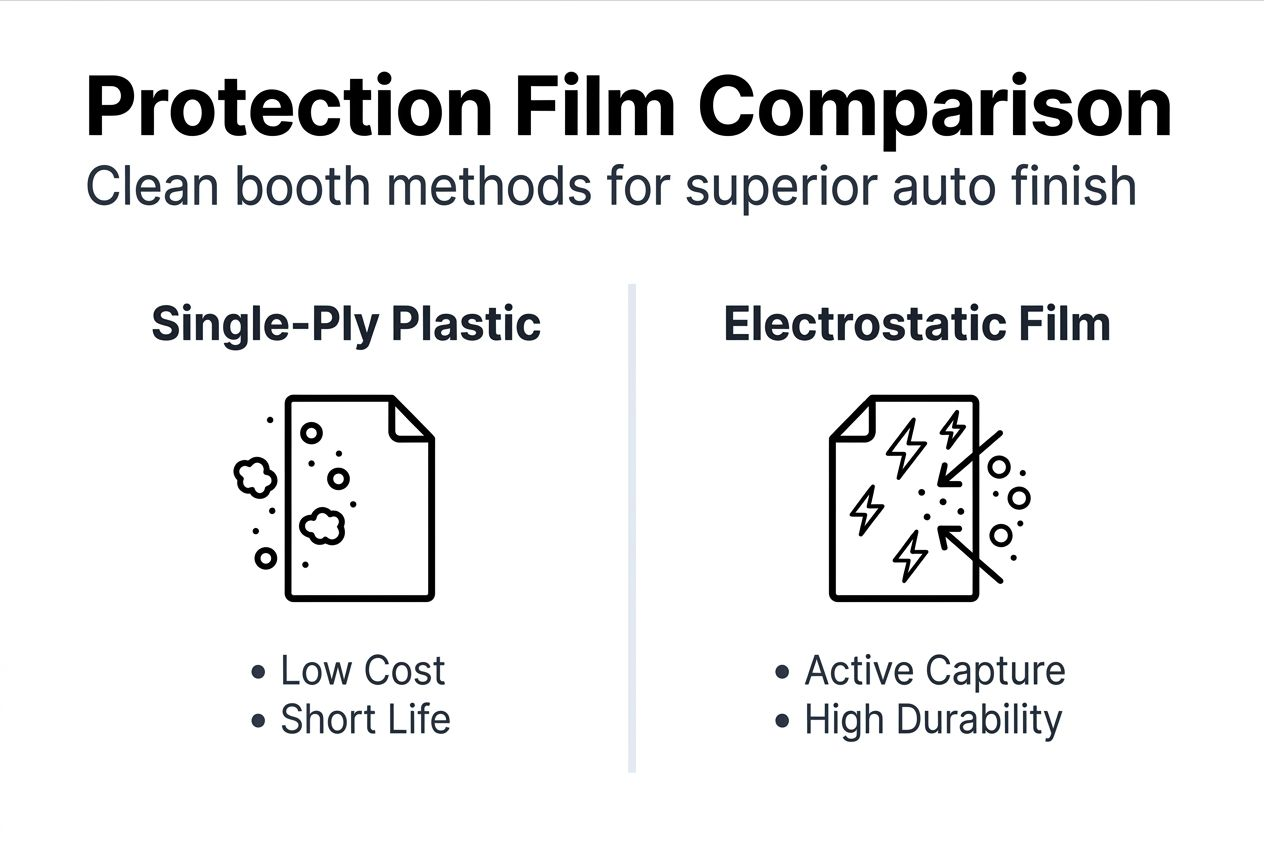
Cost analysis must consider replacement frequency alongside purchase price. Premium films last three to four times longer than budget options, reducing total ownership costs. Labor savings from faster installation and less frequent replacement further improve the economic equation.
Pro Tip: Calculate your monthly film costs by dividing material price by expected service life in weeks, then factor in installation labor hours to identify the true most cost-effective solution.
Practical benefits and economic impact of clean booth dust protection
Shops implementing advanced dust protection systems report dramatic improvements in key performance metrics:
| Metric | Before Clean Booth | After Clean Booth | Improvement |
|---|---|---|---|
| Paint defect rate | 15 to 20% | 2 to 4% | 80 to 85% reduction |
| Average rework time | 3.5 hours | 0.4 hours | 89% decrease |
| Customer complaints | 12 per month | 2 per month | 83% drop |
| Job completion time | 4.2 days | 2.9 days | 31% faster |
Rework reduction directly impacts profitability by eliminating wasted labor and materials. Technicians spend productive time on billable work instead of correcting preventable defects. Material costs drop as paint, clear coat, and supplies are used once rather than multiple times per job.
Throughput improvements allow shops to complete more vehicles per month without adding staff. Faster turnaround times improve cash flow by reducing the interval between job start and customer payment. Scheduling becomes more predictable when jobs consistently finish on time.
Customer satisfaction metrics show measurable gains when paint quality improves. Repeat business increases as clients experience consistently excellent results. Positive word-of-mouth referrals grow your customer base without additional marketing expense.
Shop owners confirm the business impact:
Investing in proper dust protection transformed our paint department from a cost center into a profit driver through eliminated rework and faster job completion.
The return on investment typically occurs within three to six months through combined savings in materials, labor, and customer retention.
Implementation best practices and challenges for dust protection films
Proper installation creates the foundation for effective dust control:
- Clean booth surfaces thoroughly to remove existing dust and contaminants
- Inspect walls and floors for damage that could compromise film adhesion
- Measure coverage areas precisely to minimize waste and ensure complete protection
- Apply films in consistent environmental conditions to optimize adhesion
- Use manufacturer-recommended dispenser systems for bubble-free results
- Overlap seams by two to three inches to eliminate gaps
- Document installation dates to track replacement schedules
Regular maintenance extends film performance and prevents premature failure. Inspect protective barriers weekly for tears, punctures, or adhesion loss. Clean surfaces gently with approved solutions that won’t degrade film properties. Replace damaged sections immediately rather than waiting for complete failure.
Common challenges include heat exposure from curing equipment that can soften adhesives or cause films to sag. Position heat sources to minimize direct contact with protected surfaces. Physical damage from tool impacts or personnel traffic requires strategic placement of high-traffic barriers.
Neglecting routine inspections accounts for most preventable failures. Schedule specific times for booth checks rather than relying on technicians to notice problems. Create replacement protocols based on actual service life rather than arbitrary timelines.
Implement these systems for sustained success:
- Train all staff on proper film handling and damage reporting procedures
- Stock replacement materials to avoid downtime when sections need repair
- Track film performance metrics to identify improvement opportunities
- Optimize spray booth efficiency through comprehensive workflows
- Follow proven maintenance schedules that balance protection and practicality
Pro Tip: Create a visual inspection checklist with photos showing acceptable versus unacceptable film conditions to help technicians identify issues before they impact paint quality.
Specialized guidance for booth wall film application and floor protection strategies helps you avoid common pitfalls during implementation.
Integrating clean booths for optimal auto body shop performance
Clean booths with advanced dust protection systems deliver measurable improvements in paint quality and operational efficiency. The combination of controlled environments and electrostatic films reduces defects by over 80% while cutting rework time by similar margins.
Multi-layer protection technologies outperform basic plastic alternatives through superior durability and active dust capture. The initial investment pays for itself within months through reduced material waste, faster job completion, and improved customer satisfaction.
Implementation success requires proper installation techniques and consistent maintenance protocols. Training staff on film handling and establishing regular inspection schedules prevents premature failures that compromise protection.
Auto body shops competing in today’s quality-focused market need every advantage. Clean booths represent a proven investment that transforms paint departments from cost centers into profit generators. The technology exists to eliminate dust-related defects. The question is whether you’ll implement it before your competitors do.
Enhance your spray booth with Dust Free Film solutions
Ready to eliminate dust defects and boost your paint quality? Dust Free Film manufactures premium multi-layer electrostatic protection systems engineered specifically for automotive refinishing environments. Our patented dispenser technology enables bubble-free installation in minutes, not hours.
Our heat-resistant films withstand curing temperatures while maintaining static properties that capture over 80% of airborne contaminants. Choose from wall and floor protection options customized for your booth dimensions and workflow requirements. European manufacturing standards ensure consistent quality and durability that outlasts budget alternatives.
Transform your spray booth performance with solutions proven in thousands of shops worldwide. Request your custom quote today and discover how proper dust protection cuts defects, reduces rework, and improves profitability.
Frequently asked questions about clean booths and dust protection
What is the best type of dust protection film for high-volume auto body shops?
Multi-layer electrostatic films deliver optimal performance for busy shops handling multiple vehicles daily. The static charge actively captures fine particles while durable construction withstands constant traffic and heat exposure. Premium films last three to four times longer than single-layer alternatives, reducing replacement labor and material costs.
How often should dust protection films be replaced or maintained?
Inspect films weekly for damage or contamination buildup, and replace them monthly under normal use conditions. High-volume shops may need bi-weekly replacement in heavy-traffic areas. Clean surfaces gently between replacements to maintain electrostatic properties and extend service life.
Can clean booths completely eliminate all dust contamination?
No system eliminates 100% of dust, but properly designed clean booths with quality films reduce contamination by 80 to 90%. This dramatic reduction brings defect rates below levels that impact paint quality or customer satisfaction. The goal is managing dust to acceptable levels, not achieving impossible perfection.
Is static-enabled dust protection film cost-effective for small shops?
Yes, even small shops benefit from reduced rework and improved quality. Calculate your current monthly costs for paint defect correction, including materials and labor. Most shops find electrostatic films pay for themselves within two to three months through eliminated rework alone.
What are the signs that my booth’s dust protection needs updating?
Visible tears or punctures in protective films indicate immediate replacement needs. Increasing paint defect rates signal declining protection effectiveness. Films that sag or lose adhesion no longer provide adequate barriers. If you notice more dust accumulation on painted surfaces compared to previous months, inspect and replace worn protection immediately.