

Dust contamination in spray booths remains a persistent challenge that degrades paint quality and triggers expensive rework cycles. Traditional cleaning methods alone cannot eliminate airborne particles that settle during painting operations. A comprehensive surface protection process combining multi-layer films, strict protocols, and regular maintenance can reduce rework rates by up to 25% while cutting operational downtime by approximately 15%, delivering measurable improvements in finish quality and cost efficiency.
Table of Contents
- Prerequisites And Preparations For Surface Protection
- Surface Protection Application Process
- Spray Booth Maintenance And Filtration
- Safety And Contamination Control
- Operational Best Practices For Contamination Reduction
- Maintenance And Replacement Guidelines
- Alternative Surface Protection Methods And Tradeoffs
- Common Mistakes And Troubleshooting
- Expected Results And Benefits
- Discover Effective Surface Protection Solutions
- Frequently Asked Questions
Key Takeaways
| Point | Details |
|---|---|
| Surface protection films reduce paint rework rates by up to 25% | Multi-layer electrostatic films trap dust particles effectively, preventing contamination during painting operations. |
| Proper prerequisites and PPE ensure effective application | Thorough cleaning, supplied-air respirators, and disposable overalls minimize contamination risks during film installation. |
| Regular maintenance keeps booths dust-free and compliant | Replacing filters routinely achieves over 99% particle removal efficiency while meeting OSHA and EPA standards. |
| Compare film versus spray-on coatings to select the best method | Films last 2-3 months with clean removal; spray-on coatings conform better to irregular surfaces but require monthly reapplication. |
| Strict operational protocols minimize contamination risks | Limiting booth access, enforcing clean-in routines, and using dust-trapping mats sustain protection effectiveness. |
Prerequisites and Preparations for Surface Protection
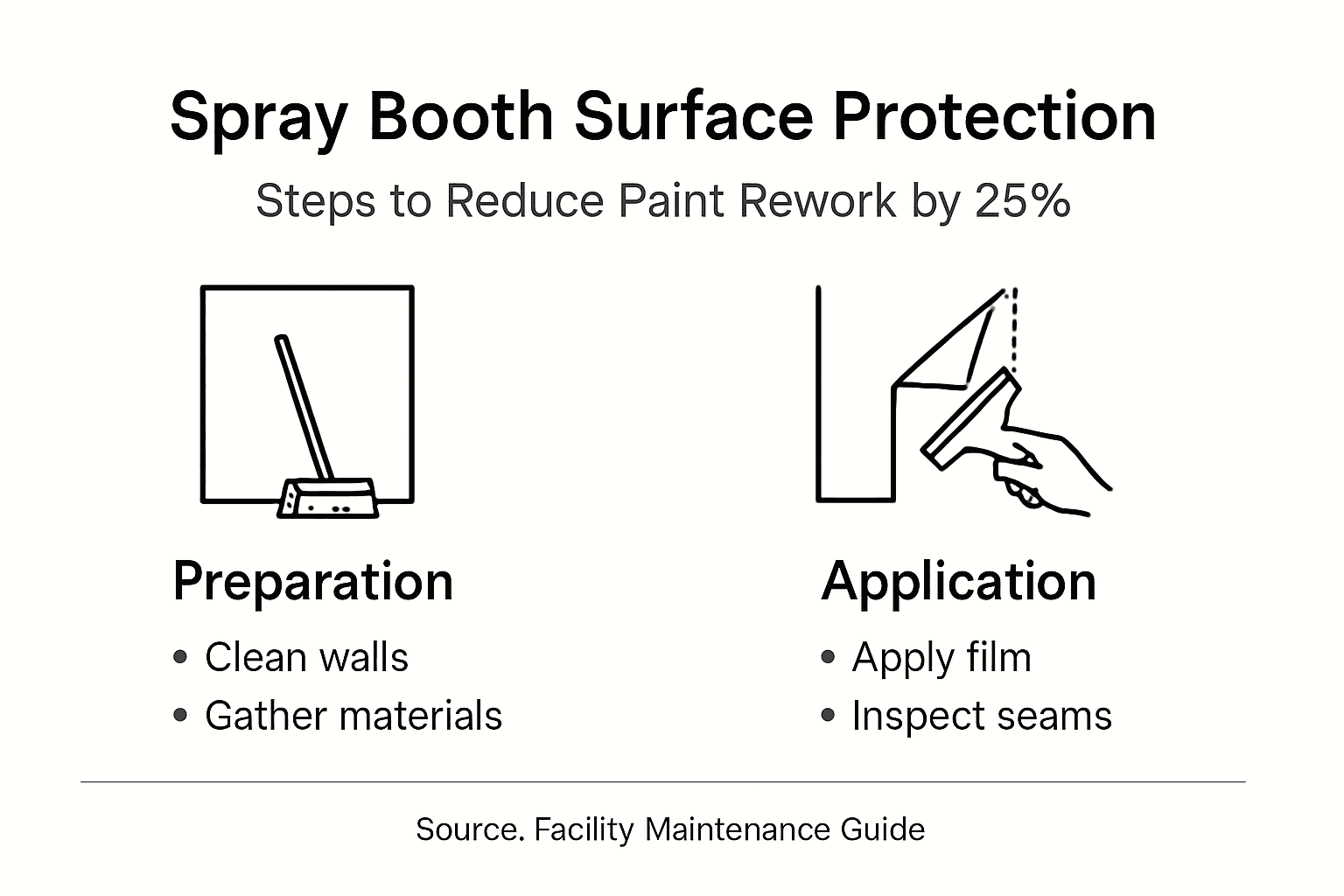
Successful surface protection starts with meticulous booth preparation and personnel readiness. Surfaces must be thoroughly cleaned of all residue and contaminants to ensure proper film adhesion and dust protection effectiveness. Without this critical step, films fail to bond correctly and allow dust penetration.
Full personal protective equipment prevents contamination introduction during application. Wear supplied-air respirators when working with coating materials and toxic substances. Use disposable overalls that shed minimal fibers and prevent bringing external dust into the booth environment. These precautions protect both worker health and paint finish quality.
Minimizing booth occupancy during preparation reduces airborne particle levels significantly. Restrict access to essential personnel only during cleaning and film installation. Every additional person introduces dust through clothing fibers, skin cells, and footwear contamination.
Gather all necessary materials before starting work to avoid repeated entries and exits. Have protective films, spray booth preparation tools, cleaning supplies, and replacement filters ready and accessible. This organization streamlines application and reduces exposure time for cleaned surfaces.
Pro Tip: Create a staging area outside the booth for all materials and tools. Unpack films and supplies in this controlled space to prevent introducing packaging debris into the freshly cleaned environment.
Consult EPA best practices for spray painting safety for comprehensive guidance on worker protection and contamination control. Following these paint booth cleaning guide standards ensures compliance with safety regulations while establishing optimal conditions for effective spray booth protection.
With the booth appropriately prepared and personnel protected, next we explain the detailed surface protection application process you should follow.
Surface Protection Application Process
Applying protective materials requires precision and attention to surface conditions. Confirm all booth surfaces are completely dry and free from any residue, oils, or moisture before beginning film installation. Damp surfaces prevent proper adhesion and create failure points where dust can accumulate.
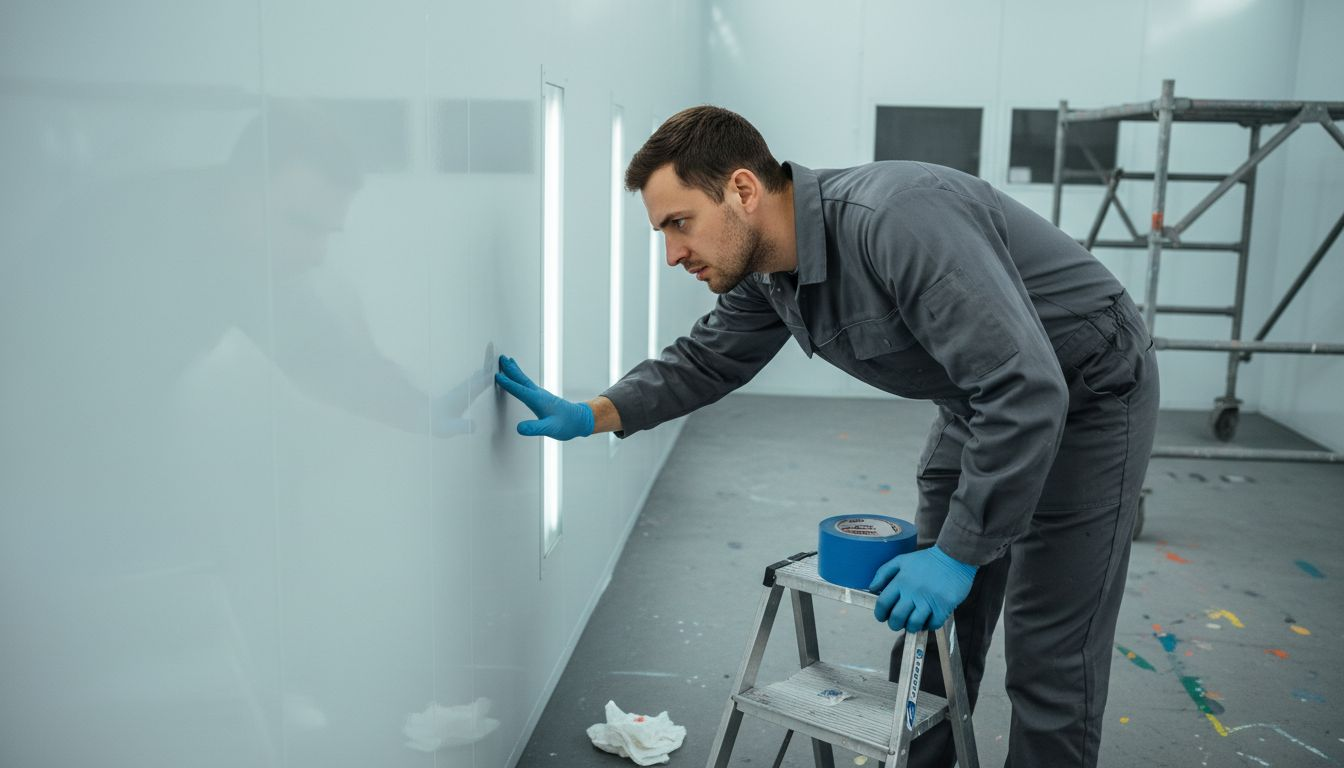
Multi-layer electrostatic dust protection films with patented application systems reduce installation time and improve adhesion quality. These systems feature bubble-free dispensers that ensure smooth, consistent application across large wall and floor areas. The electrostatic properties actively attract and trap airborne particles.
Follow this application sequence for optimal results:
- Start with ceiling and upper wall surfaces to prevent debris falling on lower protected areas
- Apply films using steady, even pressure with the dispenser system moving in consistent overlapping passes
- Smooth out any air pockets immediately using the provided application tools
- Seal edges and seams carefully to prevent dust infiltration at vulnerable junction points
- Apply floor protection last after completing all vertical surfaces
Spray-on peelable coatings offer an effective alternative for complex booth geometries. Spray-on peelable coatings form durable dust and overspray barriers that peel off easily, reducing cleaning labor significantly. These coatings conform naturally to irregular surfaces, corners, and hard-to-reach areas where films may struggle to adhere properly.
“The key to effective surface protection is replacing materials before they become saturated with contaminants. Waiting until visible deterioration appears compromises protection during critical painting operations.”
Replace protective films every 2-3 months or sooner when dust accumulation becomes visible. Saturated films lose their electrostatic attraction and trapping effectiveness. The peelable nature of quality films allows quick removal without leaving residue, minimizing downtime between protection cycles.
Pro Tip: Mark installation dates directly on films using permanent markers in inconspicuous locations. This simple practice ensures replacement happens on schedule rather than relying on visual inspection alone.
Consult this paint protection film installation guide for additional techniques on achieving professional results. Proper application techniques from industrial spray booth setup ensure maximum protection effectiveness throughout the service life of protective materials.
Once films or coatings are applied, maintaining spray booth cleanliness through proper filtration and upkeep is vital, as we discuss next.
Spray Booth Maintenance and Filtration
Sustaining dust control requires diligent filter maintenance and systematic cleaning schedules. Regular filter replacement in spray booths achieves over 99% particulate removal efficiency and reduces rework caused by airborne contamination. Clogged filters restrict airflow and allow particles to bypass filtration systems.
Implement these essential maintenance practices:
- Replace intake filters monthly or according to manufacturer specifications based on paint volume
- Change exhaust filters every 3 months minimum to maintain proper booth pressure differential
- Clean intake plenum surfaces during every filter change to prevent accumulated dust from re-entering airflow
- Vacuum roof panels and light fixtures weekly to remove settled particles before they become airborne
- Sweep and clean floor areas daily, paying special attention to corners and edges where dust collects
Coordinate comprehensive cleaning cycles with protective film replacement every 2-3 months. This synchronization maximizes efficiency by performing all major maintenance tasks during a single planned downtime period. Schedule these activities during naturally slower production periods to minimize operational impact.
| Maintenance Task | Frequency | Target Metric |
|---|---|---|
| Intake filter replacement | Monthly | 99%+ filtration efficiency |
| Exhaust filter replacement | Every 3 months | Proper pressure differential |
| Surface cleaning | Weekly | Zero visible dust accumulation |
| Protective film replacement | Every 2-3 months | Clean peel removal |
| Airflow verification | Monthly | Within manufacturer specifications |
Monitor airflow velocity and pressure readings monthly to verify filtration system performance. Declining airflow indicates filter saturation even when visual inspection suggests remaining capacity. Document these readings in maintenance logs to track system performance trends over time.
Maintain detailed records of all filter replacements, cleaning activities, and airflow measurements. These logs demonstrate compliance with OSHA and EPA regulations during inspections. They also help identify patterns that optimize maintenance scheduling for your specific operational conditions.
Follow this spray booth maintenance checklist to ensure comprehensive coverage of all critical systems. Integrating these practices into your dust-free spray booth workflow creates sustainable contamination control that protects paint quality consistently.
Beyond maintenance, safety and contamination control during application and operations are essential, which we cover next.
Safety and Contamination Control
Protecting worker health and preventing contamination requires strict adherence to safety protocols and training programs. Full-face supplied-air respirators and disposable overalls significantly reduce contamination and protect worker health when handling paints, solvents, and coating materials.
Supplied-air respirators provide continuous filtered breathing air, eliminating exposure to toxic vapors and particulates. Standard dust masks and cartridge respirators offer insufficient protection in spray booth environments where volatile organic compounds and isocyanates pose serious health risks. Never compromise on respiratory protection quality.
Disposable protective clothing serves dual purposes in contamination control. Clean coveralls prevent workers from introducing external dust, dirt, and oils into the booth environment. Equally important, they prevent painters from carrying toxic materials out of the booth on their clothing, protecting other facility areas and preventing take-home exposure.
Comprehensive training programs ensure consistent protocol adherence across all personnel. Train staff on these critical contamination sources:
- Clothing fibers that shed continuously during movement and activity
- Skin cells and hair that become airborne through normal body processes
- Footwear contamination from walking through other facility areas before booth entry
- Hand and tool surfaces that contact multiple items throughout the workday
- Packaging materials and external supplies brought into the controlled environment
“Contamination control is not a one-time setup but an ongoing behavioral commitment. Every person entering the booth must understand how their actions directly impact paint quality and finish success.”
Limit personnel movement inside the booth to absolutely essential activities. Each movement disturbs settled particles and creates air currents that spread contamination. Plan work sequences to minimize unnecessary motion and booth occupancy time.
Establish strict footwear protocols requiring dedicated booth shoes or disposable shoe covers for all personnel. Shoes tracked through other facility areas carry tremendous amounts of dust, metal shavings, and debris that immediately compromise booth cleanliness.
Regularly review and update training materials as new contamination challenges emerge. Schedule refresher sessions quarterly to reinforce proper behaviors and address any protocol drift observed during daily operations. These practices support efforts to optimize spray booth efficiency while maintaining safety standards.
Following these controls, we now focus on operational best practices to further minimize contamination risk during booth use.
Operational Best Practices for Contamination Reduction
Systematic operational protocols transform surface protection from a passive barrier into an active contamination prevention system. Restrict booth access exclusively to painters and essential support personnel during active painting operations. Every additional person exponentially increases contamination risk through clothing fibers, movement-generated air currents, and surface contact.
Implement mandatory clean-in/clean-out procedures for all booth entries. Require fresh disposable overalls and shoe covers each time personnel enter the booth environment. This seemingly excessive precaution prevents accumulated contamination from previous activities entering the controlled space. Used protective clothing should never re-enter the booth.
Adhesive-backed nonwoven mats provide an additional contamination barrier at booth entrances and high-traffic areas. These specialized mats trap particles from footwear before they spread throughout the booth. Replace entrance mats weekly or more frequently in high-volume operations to maintain trapping effectiveness.
Schedule film changes proactively before visible saturation occurs. Waiting until protective materials show obvious contamination means they have already lost significant effectiveness. Films continue trapping particles internally even when surfaces appear clean, eventually reaching capacity where additional particles pass through rather than being captured.
Pro Tip: Photograph booth surfaces immediately after fresh film installation. Compare current conditions against these baseline images during weekly inspections to identify subtle contamination buildup that might otherwise go unnoticed until reaching critical levels.
Document all operational protocols in written standard operating procedures accessible to all personnel. Written documentation eliminates ambiguity about expectations and provides reference material during training sessions. Review and update these procedures annually or whenever operational changes occur.
Conduct brief pre-shift meetings to reinforce contamination control expectations and address any protocol questions. These quick touchpoints maintain awareness and accountability without requiring lengthy training sessions. They also provide opportunities to share observations about emerging contamination sources specific to current projects.
Consistent application of spray booth cleaning best practices within these operational frameworks creates sustainable contamination prevention that protects paint quality across all production activities.
With operational protocols in place, maintaining and replacing surface protection materials systematically is crucial, as described next.
Maintenance and Replacement Guidelines
Establishing systematic replacement schedules prevents protection degradation and maintains consistent dust control effectiveness. Replace protective films or mats on a fixed 2-3 month cycle regardless of visible condition to ensure continuous protection before saturation compromises effectiveness.
Conduct thorough visual inspections weekly between scheduled replacements. Look for these indicators that demand immediate film replacement:
- Visible dust accumulation that appears as a uniform coating across film surfaces
- Discoloration or darkening indicating absorbed overspray and particulate saturation
- Edge lifting or peeling that creates gaps where contamination can penetrate beneath protection
- Physical damage from equipment contact, traffic wear, or cleaning activities
- Loss of electrostatic properties evidenced by reduced dust attraction to film surfaces
Maintain detailed replacement logs documenting installation dates, removal dates, and observed conditions at replacement time. These records reveal patterns in protection lifespan based on your specific operational intensity, paint types used, and booth traffic levels. Use this data to optimize replacement intervals for your facility.
| Protection Type | Replacement Interval | Inspection Frequency | Key Indicators |
|---|---|---|---|
| Wall films | 2-3 months | Weekly | Visible dust, edge lifting |
| Floor films | 2-3 months | Daily | Traffic wear, saturation |
| Entrance mats | 1 week | Daily | Visible contamination |
| Spray-on coating | 4-6 weeks | Weekly | Overspray buildup |
Integrate protective film inspections into existing daily or weekly maintenance routines rather than creating separate inspection schedules. This integration ensures consistent execution without adding administrative burden. Train maintenance personnel to recognize early warning signs during their normal booth walkthroughs.
Coordinate replacement timing with planned booth downtime whenever possible. Scheduling film changes during weekends, shift changes, or planned maintenance windows minimizes production disruption. However, never delay replacement beyond recommended intervals to accommodate production schedules, as compromised protection costs far more in rework than brief downtime.
Pro Tip: Keep emergency replacement film quantities in inventory equal to one complete booth coverage. This buffer stock enables immediate replacement when unexpected damage occurs without waiting for supplier deliveries that could force continued operation with compromised protection.
Follow the systematic approach outlined in this spray booth maintenance workflow to ensure comprehensive coverage of all protection maintenance requirements throughout operational cycles.
Choosing the right protection method is also key; next we compare film-based and spray-on options to help you decide.
Alternative Surface Protection Methods and Tradeoffs
Selecting between film-based and spray-on protection systems requires understanding each method’s strengths and operational fit. Multi-layer electrostatic films provide superior longevity, lasting 2-3 months with consistent dust trapping effectiveness throughout their service life. The peelable removal process takes minutes rather than hours, significantly reducing booth downtime during changeovers.
Spray-on peelable coatings excel in booths with complex geometries, extensive pipework, or irregular surfaces where film application proves challenging. These coatings flow into corners, around fixtures, and across textured surfaces that films cannot adequately cover. The conforming nature eliminates gaps where dust might accumulate.
Film installation speed depends heavily on surface preparation quality and applicator experience. Patented bubble-free dispenser systems enable experienced operators to cover large wall sections in minutes. However, the preparation phase requiring thorough cleaning and surface drying adds significant upfront time compared to spray-on alternatives.
Film offers longer-lasting protection and clean peel removal but requires thorough cleaning and careful application to achieve optimal adhesion and performance. Spray-on coatings tolerate minor surface imperfections better but require monthly reapplication, increasing ongoing labor demands.
| Factor | Multi-Layer Films | Spray-On Coatings |
|---|---|---|
| Service life | 2-3 months | 4-6 weeks |
| Installation time | 2-4 hours (including prep) | 3-5 hours (including drying) |
| Surface requirements | Must be completely clean and dry | Tolerates minor imperfections |
| Complex geometry coverage | Limited by film flexibility | Excellent conforming ability |
| Removal time | 15-30 minutes | 30-60 minutes |
| Material cost per cycle | Moderate | Higher due to frequent reapplication |
| Labor cost per cycle | Lower (longer intervals) | Higher (more frequent changes) |
Cost analysis must consider total lifecycle expenses rather than initial material prices alone. Films cost more per application but require fewer replacements annually, reducing cumulative labor and material expenses. Spray-on coatings appear cheaper initially but monthly reapplication cycles accumulate higher total costs.
Booth size and paint production volume significantly impact method selection economics. Large industrial booths benefit more from film longevity, while smaller custom shops with irregular booth designs may prefer spray-on flexibility despite higher ongoing costs.
Consider hybrid approaches combining films on large flat surfaces with spray-on coatings in complex areas. This strategy optimizes each method’s strengths while minimizing weaknesses. Apply films to walls and floors where they excel, then use coatings for equipment housings, ductwork, and irregular features.
Review spray booth protection made easy for detailed comparisons of application techniques and performance characteristics to inform your selection decision based on facility-specific requirements.
Understanding the methods helps prevent mistakes; now we identify common errors and troubleshooting tips.
Common Mistakes and Troubleshooting
Avoiding frequent application and maintenance errors ensures protection systems deliver expected contamination control. The most critical mistake involves applying films without completing thorough surface cleaning first. Applying films on dirty surfaces reduces adhesion and dust protection effectiveness, increasing defects and rework that negate protection benefits.
Never compromise on personal protective equipment usage during application or painting operations. Skipping proper PPE introduces contamination through clothing fibers and compromises worker safety through toxic exposure. The time saved by avoiding PPE protocols costs exponentially more in contamination cleanup and potential health issues.
Replacing films before visible saturation appears prevents protection degradation during critical painting operations. Many operators wait until discoloration or obvious dust buildup signals replacement need. By this point, films have already lost significant trapping effectiveness, allowing contamination during recent paint jobs.
Excessive booth occupancy during painting operations remains a persistent problem even with comprehensive training. Managers, quality inspectors, and support personnel often enter booths unnecessarily, each introduction multiplying contamination risks. Establish strict access policies limiting entry to essential painters only.
Additional common errors include:
- Failing to seal film edges and seams properly, creating contamination pathways beneath protection
- Rushing installation without smoothing air pockets that compromise adhesion and trapping effectiveness
- Neglecting entrance mat replacement, allowing saturated mats to become contamination sources rather than barriers
- Using damaged or torn films rather than replacing them immediately upon discovery
- Inadequate training refreshers allowing protocol drift over time
When troubleshooting persistent contamination despite proper protection, examine these often-overlooked sources. Check air compressor intake filters that may introduce particles into spray equipment. Verify paint storage areas maintain cleanliness standards preventing contamination at the source. Inspect mixing rooms and preparation areas for dust generation that migrates into booths.
Provide regular refresher training addressing observed protocol violations and emerging contamination challenges. Brief quarterly sessions reinforce expectations more effectively than annual comprehensive training that becomes routine and forgettable.
By avoiding pitfalls, you ensure results; let’s now review the measurable benefits achievable with this process.
Expected Results and Benefits
Implementing comprehensive surface protection processes delivers quantifiable improvements across multiple operational metrics. Paint rework rates decline by approximately 25% through effective contamination elimination, directly increasing daily throughput capacity without additional labor or equipment investment. Each eliminated rework cycle returns productive painting time and material costs to profitable work.
Operational downtime for cleaning and maintenance decreases by roughly 15% through efficient film replacement compared to traditional scraping and chemical cleaning methods. The peelable nature of quality protection materials transforms hours-long cleaning sessions into minutes-long film changes, maximizing booth availability for revenue-generating painting operations.
“The financial impact of reduced rework extends beyond direct labor and material savings. Faster project completion improves customer satisfaction, increases facility capacity utilization, and enhances competitive positioning through reliable delivery performance.”
Paint finish quality improvements manifest as fewer defects per panel, reduced orange peel texture, and eliminated contamination spots requiring buffing or repainting. These quality gains translate to higher customer satisfaction scores and reduced warranty claims in automotive applications. Industrial coating operations benefit from improved adhesion and durability performance.
Cost savings accumulate from multiple sources beyond eliminated rework. Reduced cleaning chemical consumption lowers material expenses and waste disposal costs. Decreased booth downtime enables higher equipment utilization rates, improving return on booth investment. Lower defect rates reduce material waste from rejected or reworked items.
Compliance maintenance with OSHA worker safety standards and EPA environmental regulations becomes substantially easier through documented protection and cleaning protocols. Regular filter replacement and airflow monitoring create audit trails demonstrating regulatory adherence. Proper PPE usage protects worker health while limiting facility liability exposure.
Key Performance Indicator: Facilities implementing comprehensive surface protection processes consistently achieve sub-3% rework rates compared to industry averages of 10-15% for unprotected booths, representing breakthrough improvements in operational efficiency and quality control.
Comprehensive surface protection reduces paint rework rates by up to 25% and operational downtime by 15%, delivering rapid return on investment through measurable quality and efficiency gains. These improvements compound over time as consistent protection prevents cumulative contamination buildup that degrades booth performance.
Having understood the benefits, let’s explore solutions that can help you implement these practices easily.
Discover Effective Surface Protection Solutions
Transforming your spray booth operations starts with selecting protection materials engineered specifically for demanding industrial environments. Our specialized multi-layer electrostatic dust protection film solutions deliver proven contamination control that measurably reduces rework and improves finish quality.
Benefit from easy-to-apply, peelable systems designed specifically for automotive and industrial booth applications. The patented bubble-free dispenser technology ensures quick, professional installation that maximizes adhesion and trapping effectiveness. Heat-resistant, static-free construction withstands demanding painting environments while actively attracting and capturing airborne particles.
Explore our complete range of protective films in painting applications, including wall protectors, floor films, and entrance mats engineered for high-traffic industrial settings. Custom configurations accommodate booth sizes from compact automotive bays to expansive industrial coating facilities.
Improve paint finish quality and reduce costly rework with proven spray booth films for dust protection that facility managers trust for consistent performance. European manufacturing standards ensure reliability and durability across thousands of successful installations worldwide.
To wrap up, let’s answer some common questions facility managers have about spray booth surface protection.
Frequently Asked Questions
How often should surface protection films be replaced?
Replace films every 2-3 months or sooner if visible contamination appears before the scheduled interval. A strict replacement schedule ensures continuous protection effectiveness rather than waiting for obvious saturation that indicates protection has already degraded. Regular inspection helps determine optimal timing for your specific operational intensity.
What PPE is essential during surface protection application?
Wear supplied-air respirators and disposable protective coveralls during all application and painting activities to ensure safety and minimize contamination introduction. Standard dust masks provide insufficient protection against volatile organic compounds and isocyanates present in booth environments. Proper training on correct PPE usage and maintenance is critical for worker safety.
Can spray-on coatings replace protective films?
Spray-on peelable coatings conform excellently to irregular surfaces and remove easily through peeling action. They typically last about one month compared to 2-3 months for films, requiring more frequent reapplication and higher ongoing labor investment. Selection depends on booth geometry complexity, surface types, and operational preferences for longevity versus application flexibility.
How can personnel movement be controlled to reduce dust?
Limit booth access to necessary painting personnel only during active operations, excluding observers and non-essential staff. Require disposable overalls and shoe covers for every booth entry, replacing them between entries rather than reusing contaminated protective clothing. Training staff on contamination risks and proper access protocols ensures consistent adherence to movement restrictions.